Use case: single-serve, single-origin syrup
Bulk syrup usually reaches people in a jug or a glass jar. What if real syrup came in single-serve packets, like the condiments at a motel waffle station, but good enough for a Japanese convenience store, and each packet carried a single-origin label backed by its lot record?
The idea
In maple country the syrup on offer at a counter can still be a cheap single-serve packet instead of a jug of the real thing (an observation from the project owner about Waterbury, Vermont).
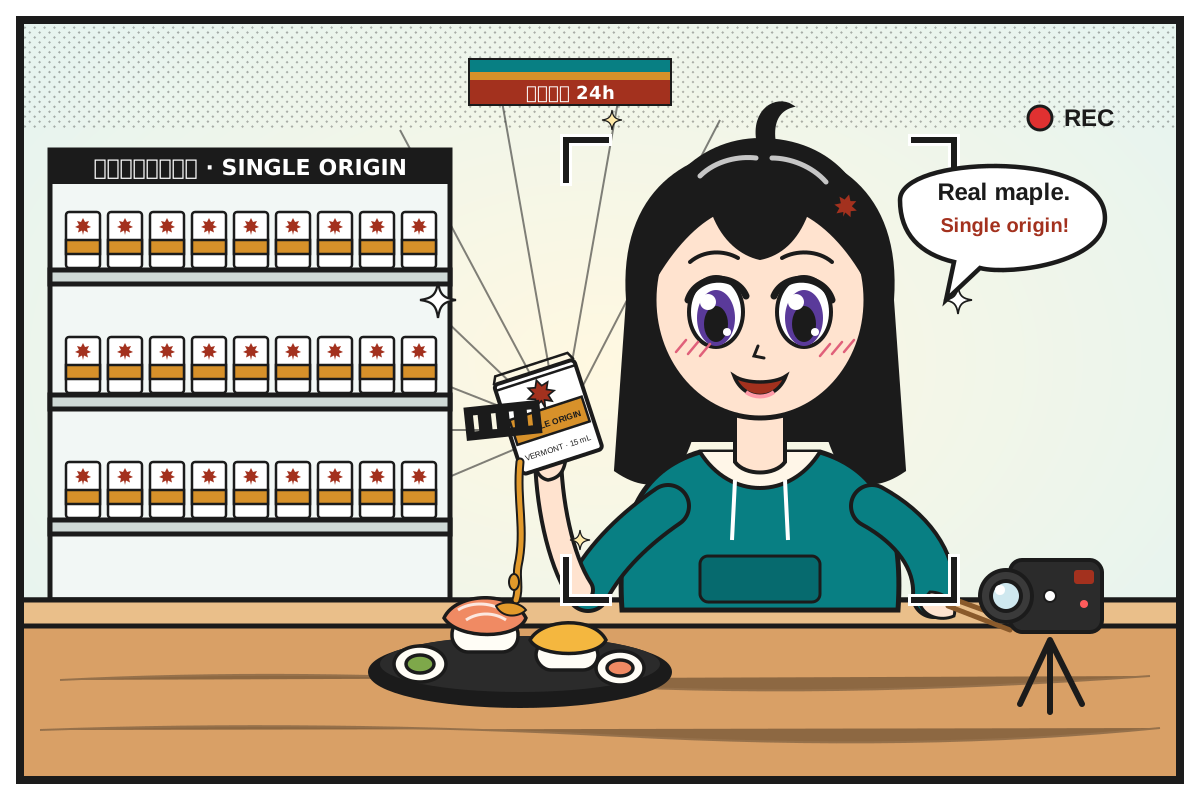
Picture a convenience store in Japan that sells high-quality food, not cheap food, with real Vermont or Canadian syrup in portion packs on the shelf.
An influencer films herself with a camera pod, drizzling that syrup on sushi, and shows the single-origin label to camera.
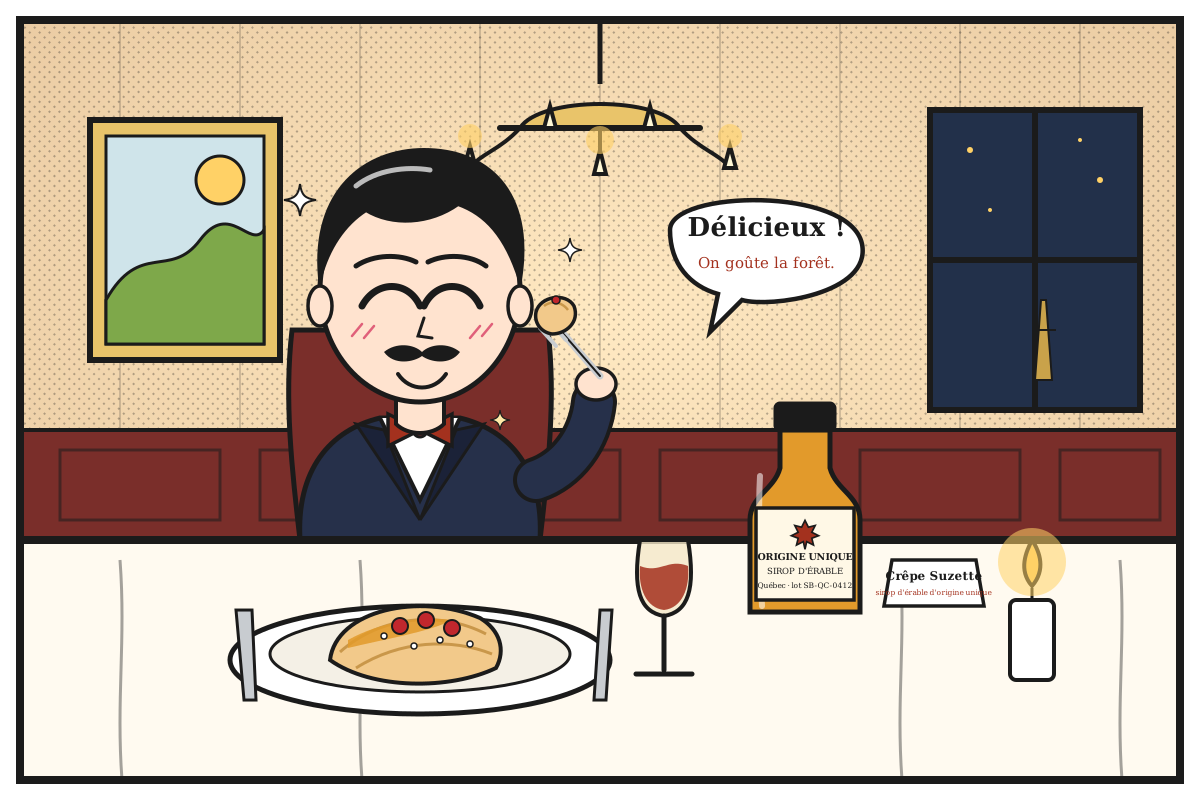
At a fancy restaurant, a diner eats a French crêpe with a bottle of single-origin syrup on the table.
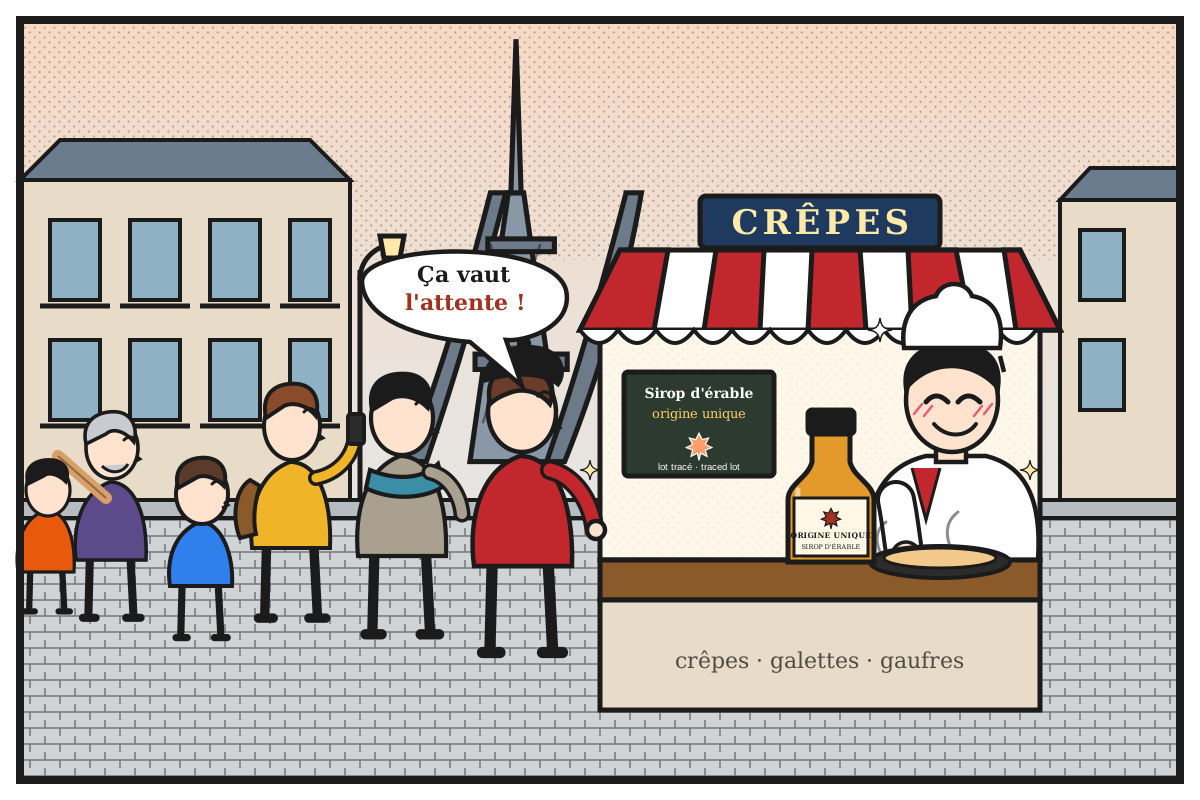
At a street crêperie in Paris, a bottle of single-origin syrup stands on the counter and a line of people waits.
Poster: breakfast at sea
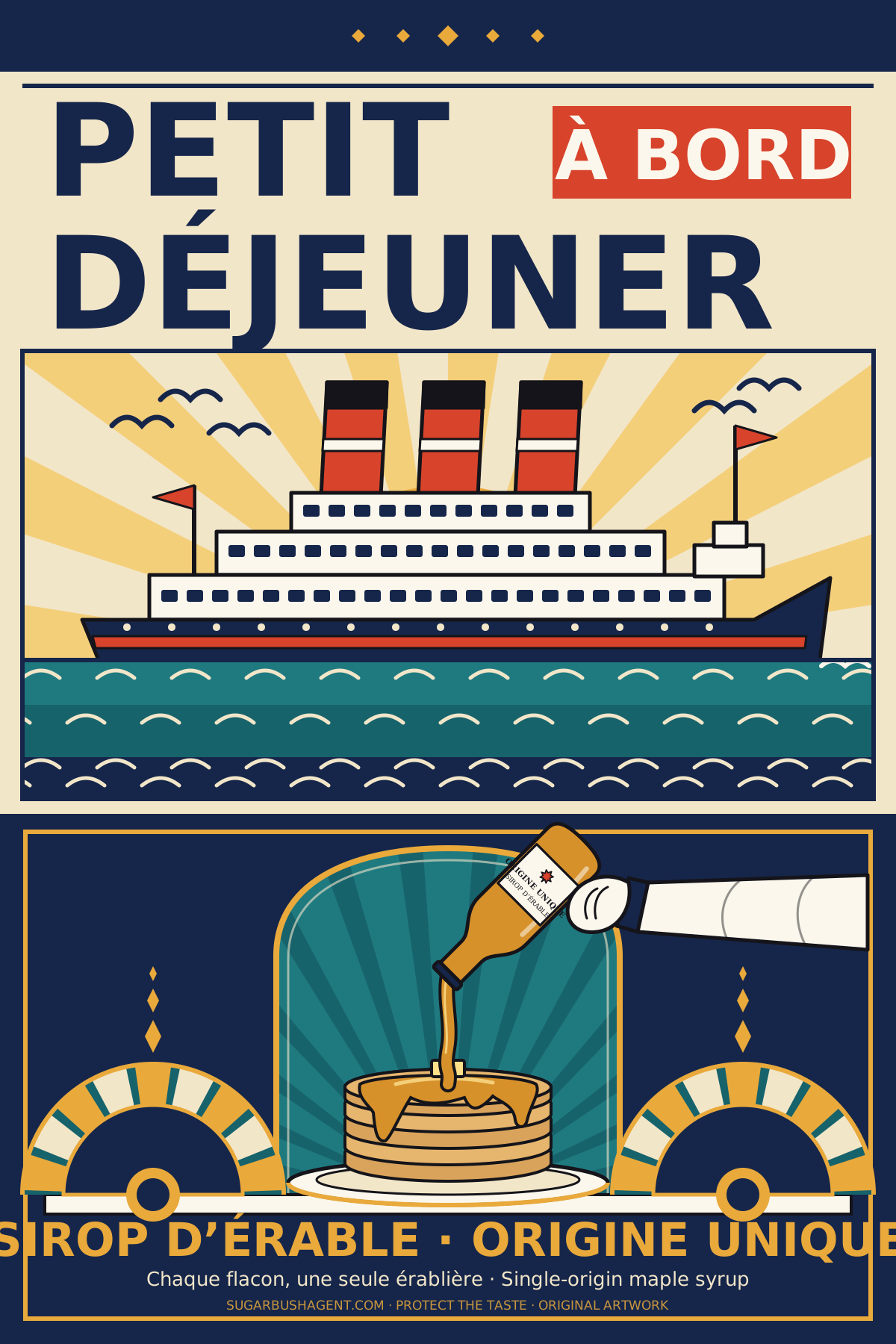
A simple, modernist poster in the spirit of 1930s café and ocean-liner posters: flat colour, a sunburst, a liner, and a steward pouring single-origin maple syrup onto breakfast. Print it, pin it up, or use it to explain the idea.
Download PDF (24 × 36 in, vector, print-ready)
Download PNG (2400 × 3600 px)
Download SVG (editable; lettering uses whatever geometric sans-serif your computer has)
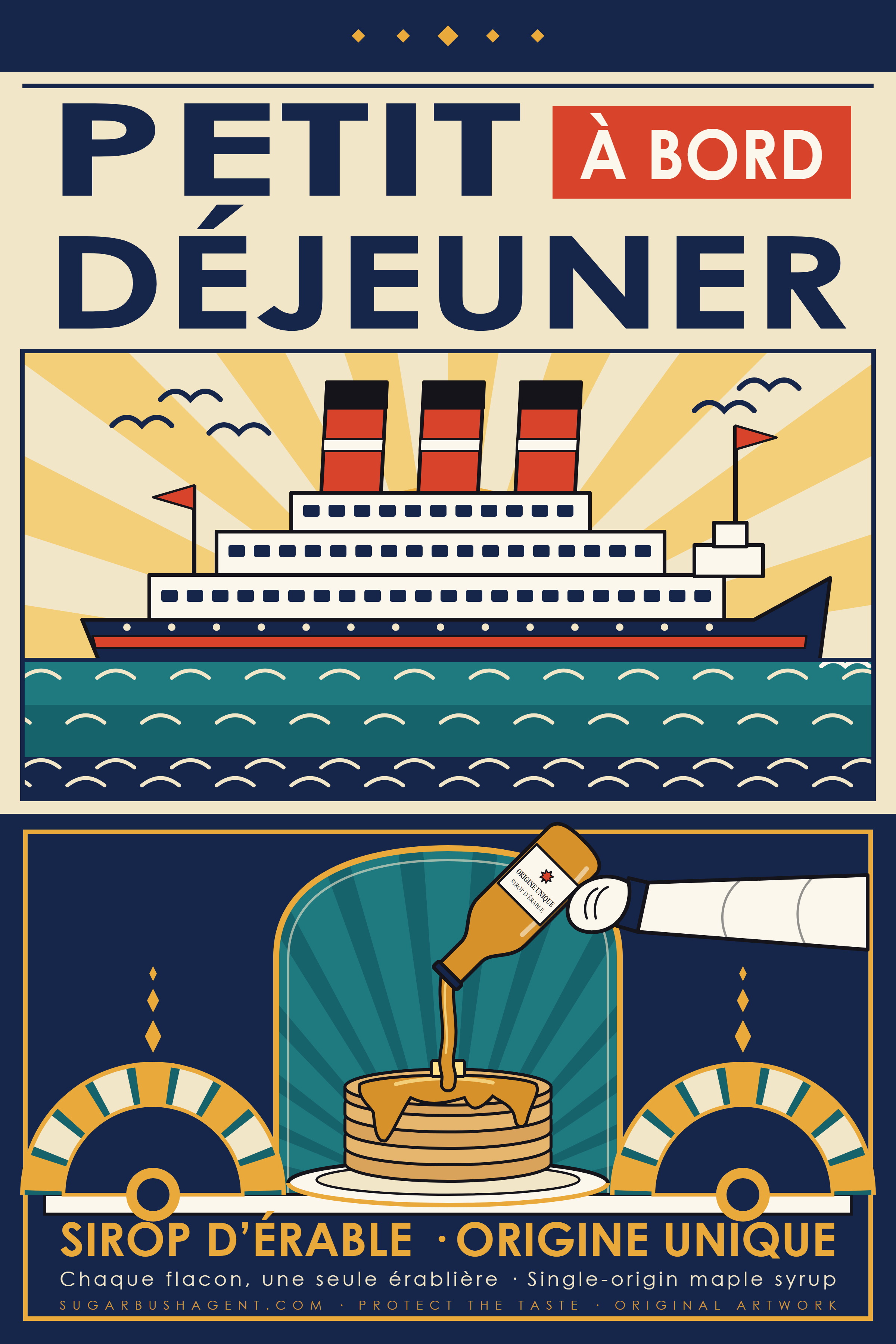
Original artwork drawn for this page. The bottle label is invented.
The Influencer Marketing sub-agent
A sub-agent is a narrow helper that works under a farm's approval, like the main sugarbush agent. This one helps a farm tell the story of a lot without saying anything the lot record cannot support.
What it does
Reads the verified lot record for lots the farm chooses to promote: origin record, harvest date, colour class, flavour notes.
Drafts content briefs and captions with only the claims the record supports, by the same rules as the label designs, in the languages a market needs.
Sends every draft to the farm for approval. Nothing goes out without the farm's OK, for a set period, and the farm can stop it at any time.
Adds the sponsorship disclosure line to any paid or gifted post, and keeps a ledger of which claim went into which post, on which date, for which lot.
Flags a claim that does not match the record before it goes out, for example "Vermont" for syrup produced in Québec.
What it never does
Invent quotes, reviews, tasting notes or sales figures.
Contact or pay influencers, restaurants or stores by itself.
Hold the farm's keys or post from an account.
Say the syrup was tested for origin. "Verified origin record" means the record was checked, not that a test proved where the syrup came from.
Why the portion changes the price per gallon
A US gallon holds about 252 portions of 15 mL. Prices below use Vermont producers' 2024 averages from USDA NASS.
| Sold as | Price | Per US gallon |
|---|---|---|
| Bulk (Vermont, 2024) | about $0.11 per 15 mL | $28.00 |
| Retail (Vermont, 2024) | about $0.23 per 15 mL | $58.30 |
| Single-serve packet | $0.50 each | about $126 |
| Single-serve packet | $1.00 each | about $252 |
| Single-serve packet | $1.50 each | about $379 |
Illustration only. It leaves out packaging, filling, shelf life, distribution and retailer margins, and the packet prices are examples, not market data. Source for the first two rows: USDA NASS Crop Production, June 2025, maple syrup tables.
What this use case needs to test
Whether restaurants and convenience stores would stock single-origin portion packs, and at what price.
Packaging: shelf life, filling and the labelling rules for small containers in each market, all still to confirm.
Whether viewers and diners care about a single-origin label at all. The survey and the interviews are where that gets answered.
Disclosure rules for sponsored posts in each market the sub-agent would write for, still to confirm.
Illustrations: original artwork drawn for this page. The people, shops, bottles and labels are invented.